Pulse Points Explained: Where and How to Check
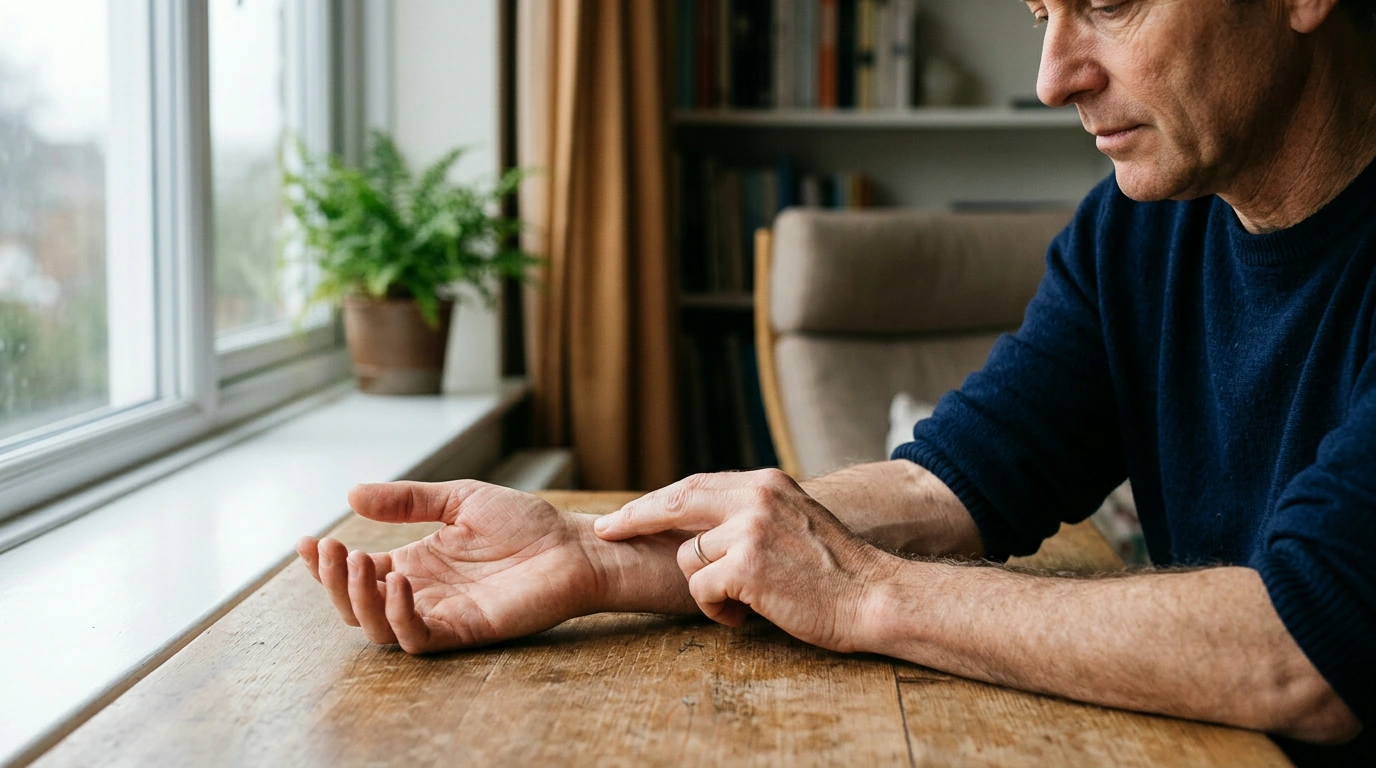
Pulse points are places where an artery runs close enough to your skin for you to feel its beat. Knowing where to look can help you check your resting pulse and describe what you notice to a healthcare professional. Here, we cover common pulse points, a simple way to count your pulse, and where to find Pulse Points Explained in our store.
What Is a Pulse Point?
Your pulse is the pressure wave created as your heart pumps blood through an artery. At a pulse point, you can usually feel that wave with your fingertips because the artery is relatively close to the surface of your body.
Some pulse points are easier to find than others. An artery’s depth, the surrounding tissue, your finger placement, and the amount of pressure you use can all affect what you feel. Temperature, activity, and other circumstances may also influence your pulse.
A pulse that feels faint or strong on its own does not tell you what is causing it. If you have concerns about your pulse or how you feel, talk with a healthcare professional rather than trying to diagnose the cause yourself.
Common Pulse Points
For a personal check, the wrist is a convenient starting place. The neck is another accessible location, but it calls for gentle pressure and a little extra care. Other pulse points are commonly assessed by healthcare professionals and may be harder to locate without training.
Where Pulse Points Are Found
| Pulse point | Location | Practical note |
|---|---|---|
| Radial | Wrist, on the thumb side | A common place to check your own pulse |
| Carotid | Side of the neck | Use gentle pressure and check one side at a time |
| Brachial | Inside the upper arm near the elbow | Often used by health professionals |
| Femoral | Groin | Typically checked by a health professional |
| Dorsalis pedis | Top of the foot | Can be difficult to feel |
At the neck, place your fingertips gently beside your windpipe. Do not press hard or check both sides at once. If you are unsure where to place your fingers, the wrist may be a simpler choice for a routine self-check.
You do not need to find every pulse point to count your own pulse. A healthcare professional can choose the appropriate location when an assessment calls for one, including sites that are less accessible or difficult to feel.
How to Check Your Resting Pulse
Choose a time when you can sit quietly before taking a reading. Checking immediately after exercise or while you are rushing may give you a different result from a resting measurement. Have a clock or timer with a seconds display nearby.
- Get comfortable. Sit quietly for several minutes and rest one hand with your palm facing up.
- Find the wrist pulse. Place the tips of your index and middle fingers on the thumb side of your opposite wrist.
- Use light pressure. Move your fingertips slightly until you feel a beat. Adjust their position rather than pressing hard.
- Count for 60 seconds. Use your clock or timer and count each beat you feel during the full minute.
- Notice the rhythm. Along with the number, note whether the beats seem regular or uneven.
For many adults, a resting heart rate of 60–100 beats per minute is common, but individual circumstances vary. Physical activity, stress, medications, and other factors can affect your rate. Some healthy, physically active people may have a lower resting rate.
A single count is only a snapshot. If you want to discuss a change with your healthcare professional, it may help to record your count, when you took it, and anything relevant you noticed. The MedlinePlus guide to pulse offers more information about measuring and interpreting a pulse.
When to Ask for Help
Contact a healthcare professional if you are concerned about an unusually fast, slow, or irregular pulse, especially if it is a change for you. They can consider your reading alongside your health history, medications, and any symptoms.
Seek emergency help if you have symptoms such as chest pain, fainting, severe shortness of breath, or signs of a medical emergency. Do not delay getting help while trying to find or count a pulse.
For more context on factors that affect heart rate, see the American Heart Association’s heart rate information.
Explore Pulse Points Explained
If you want to explore this topic further, our team offers Pulse Points Explained in our store. Visit the product page for the current price and purchase details. It is not a substitute for personalized medical advice or care.
Looking for a separate practical reference? We also offer the Table Etiquette Checklist. It covers a different subject, but may appeal if you enjoy keeping checklists handy.
FAQ
Where is the easiest place to check a pulse?
The thumb side of the wrist is a convenient starting point for many people. Use your index and middle fingertips and apply light pressure.
What is a typical resting pulse for an adult?
A resting heart rate of 60–100 beats per minute is common for adults, though individual circumstances vary. A healthcare professional can help you interpret a reading that concerns you.
Why might a pulse be difficult to feel?
Finger placement and pressure can make a pulse harder to find, so try adjusting your fingertips gently. Seek medical advice if you are concerned.










Leave a comment